
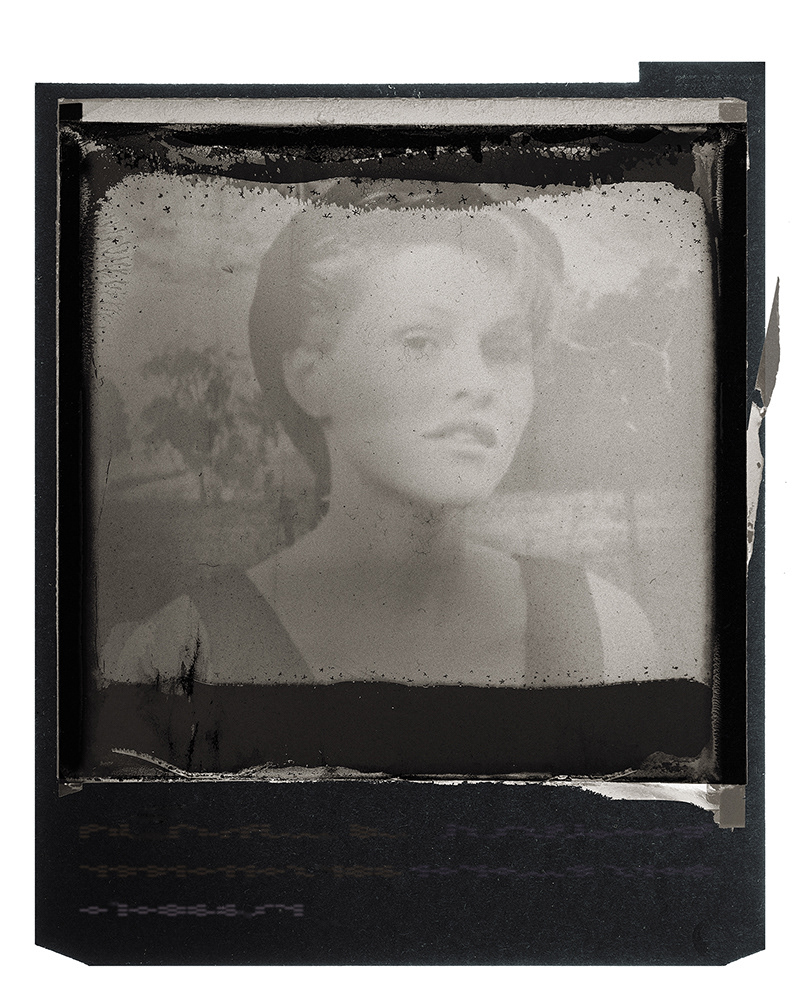
Jac
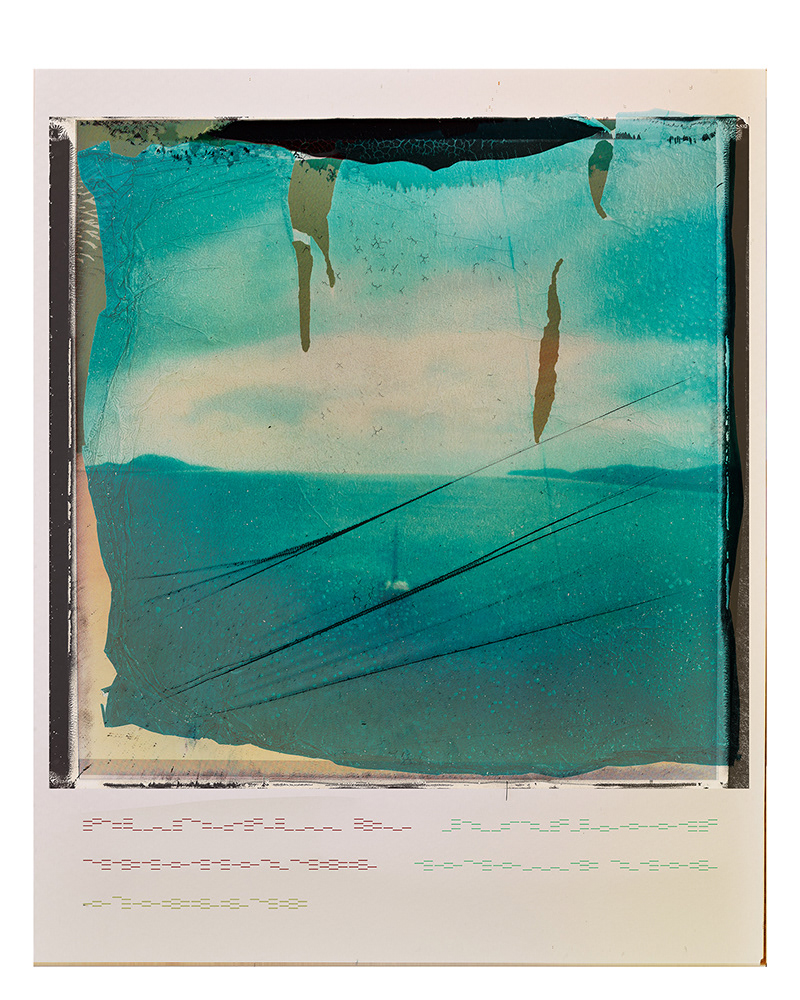
Opportunity Lost
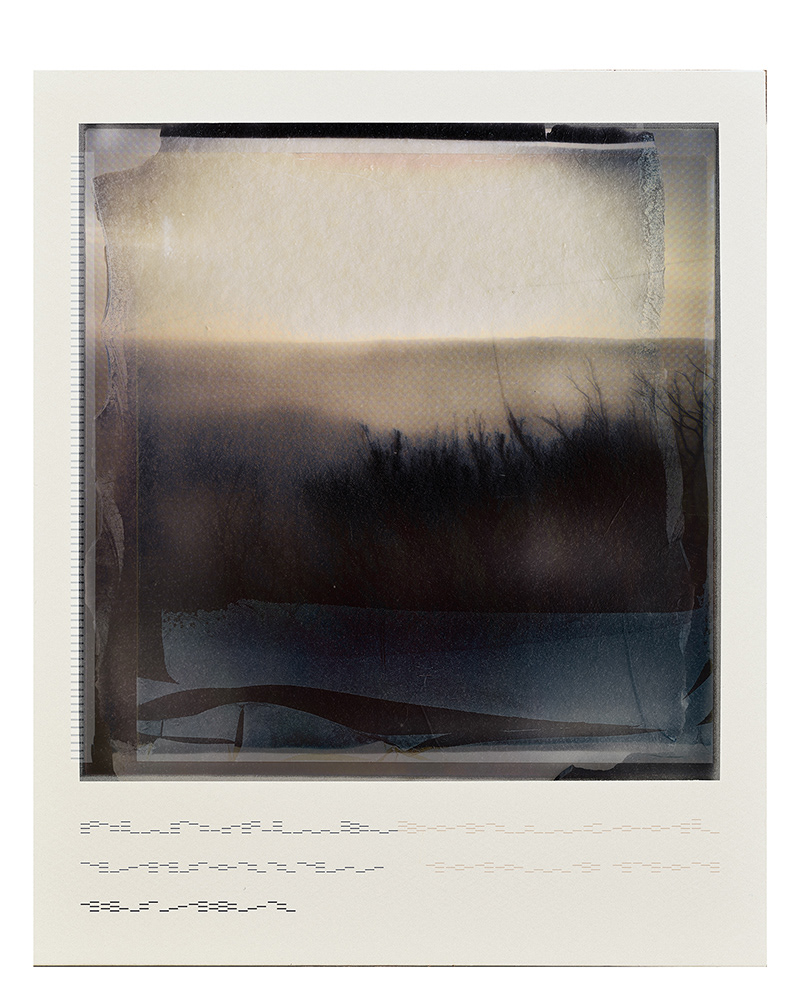
Smoke & Ash
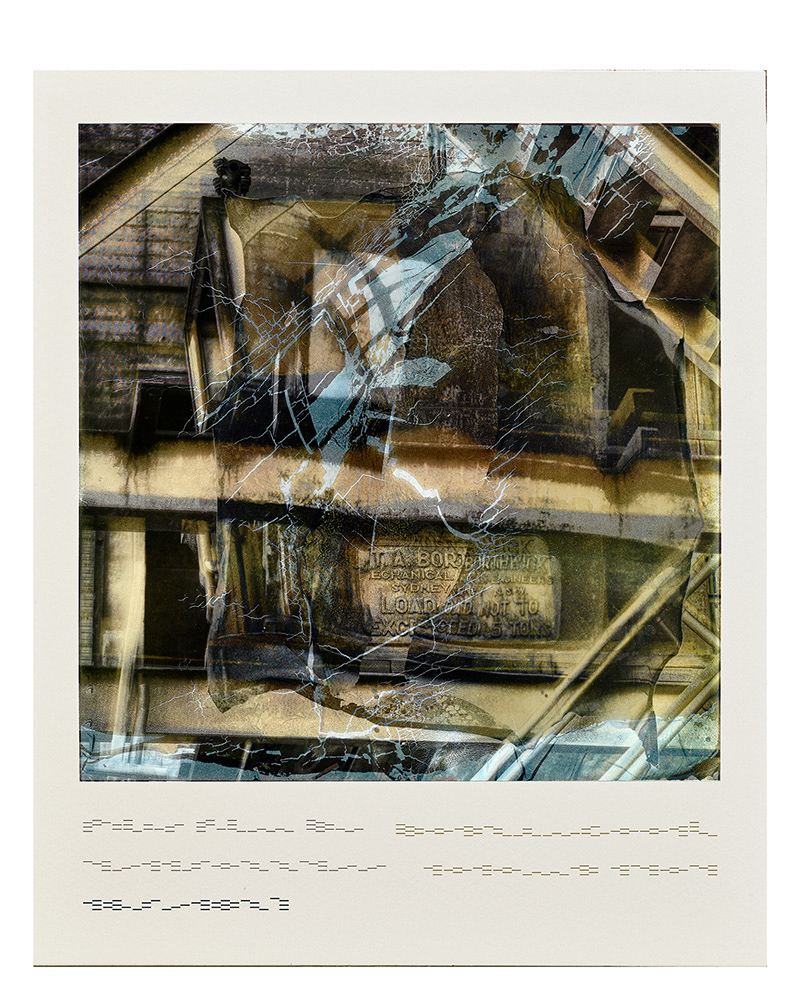
Historic Pride
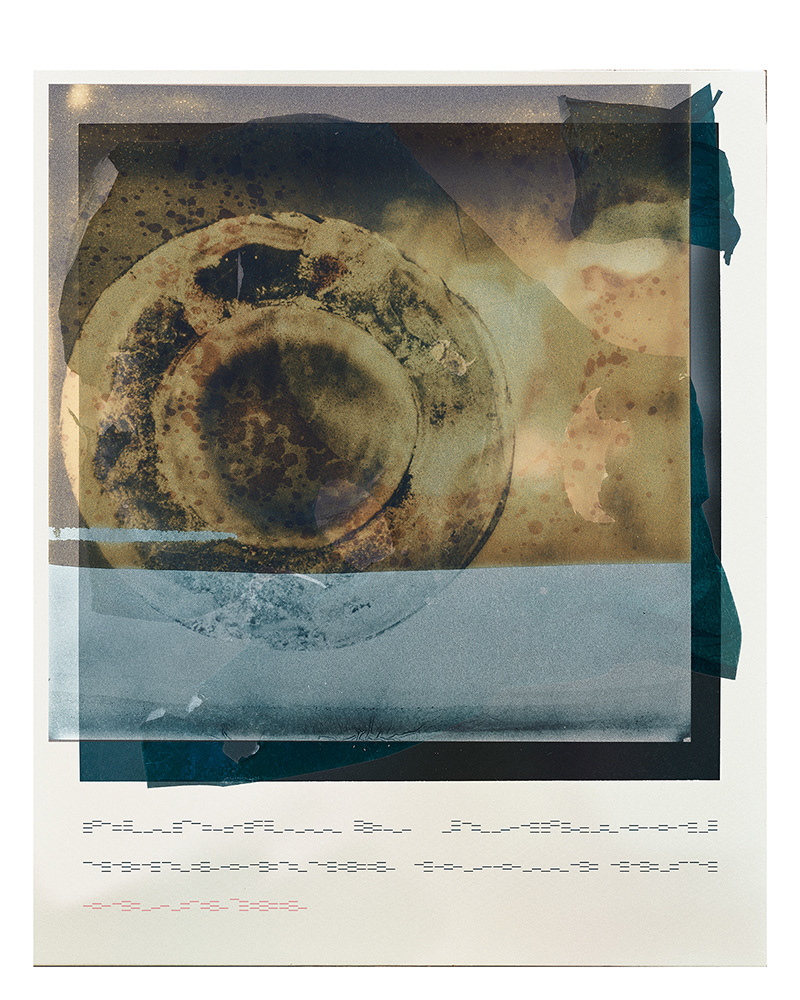
My Medicine Bottle
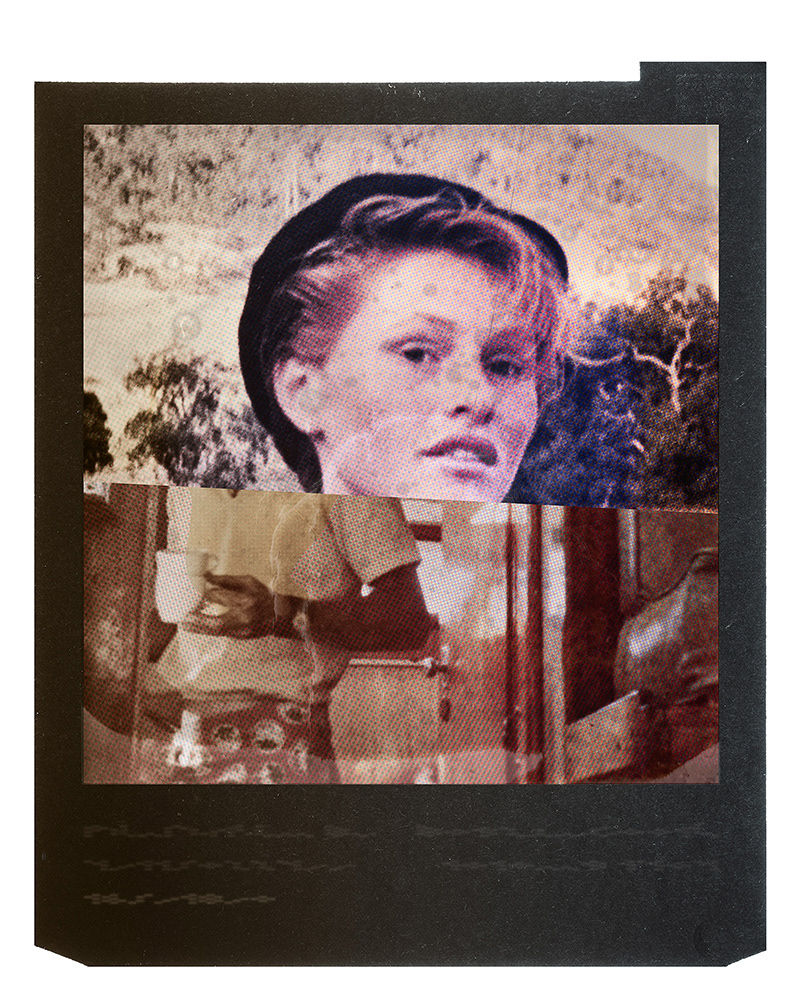
Reunited
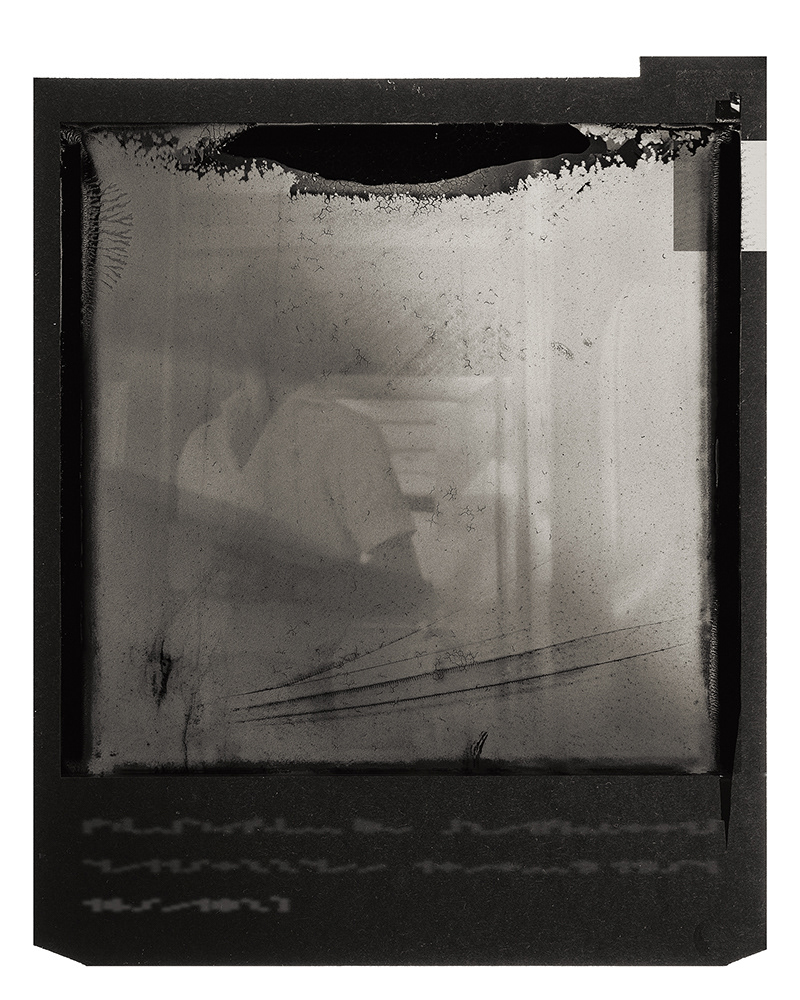
Dad's Orange Swimmers
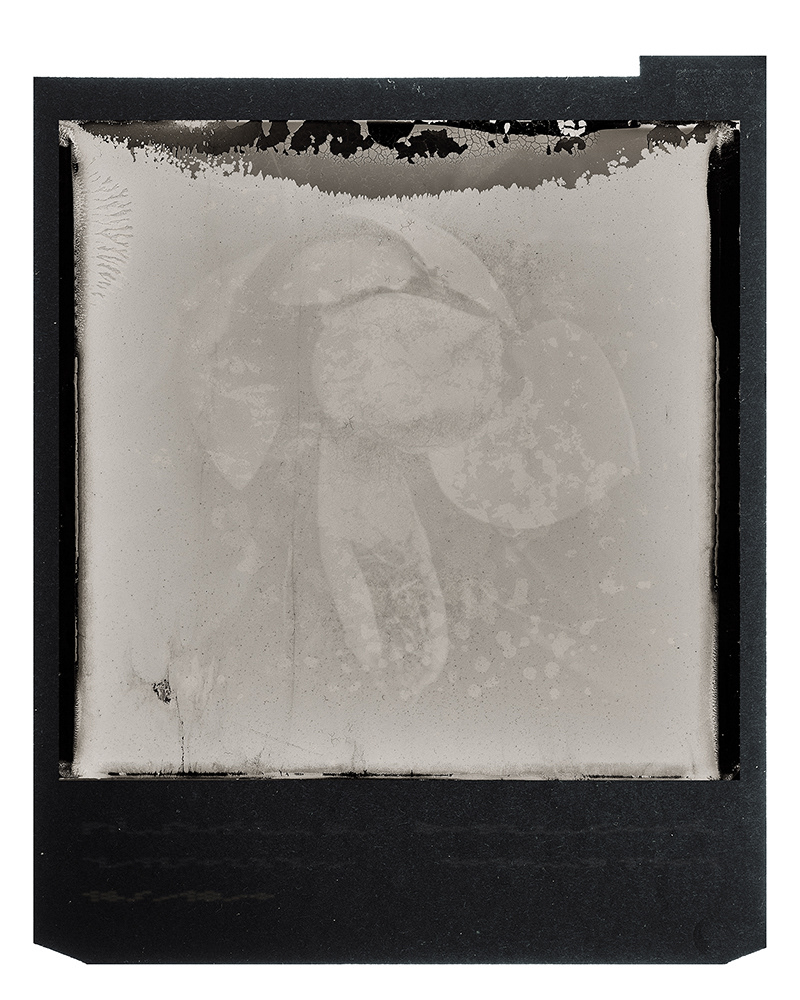
Magnolia grandiflora
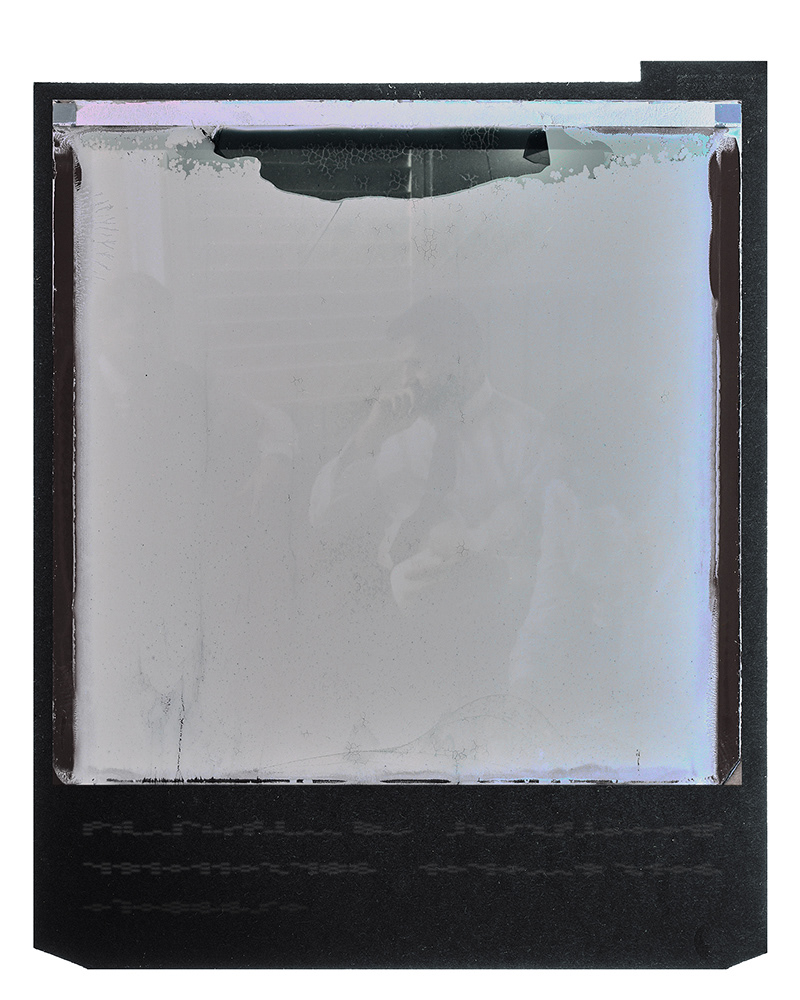
Wrong Wedding
All the prints are 24 x 30 inches, with Kodachrome archival inks on 300 gsm textured cotton rag.
What Remains
A meditation on what photography promises and memory cannot keep — tracing what remains of those we love through Polaroid lifts, digital misfires, and the slow degradation of encoded light.
Series Notes
Memory is never neutral. It is altered by emotion, repetition, and absence, and it is never fully reliable.
This work began with my father's passing, then deepened when my sister followed. Some images I was working with quietly became records of our last moments together. Others revealed that forgetting had already been at work long before loss arrived: a missed wedding, a medicine bottle standing in for a man I can no longer clearly picture, a chin that somehow outlasts everything else.
Each act of reworking (photographing, printing, lifting, scanning) felt less like preservation and more like translation. Memory does not return intact; it arrives through layers, altered by context and need. The image moves further from the moment that formed it with every pass through the apparatus.
Beneath each image, the Polaroid's technical data (number, film type, batch, production date) is encoded in a font that renders itself unreadable, its multiple overlapping strands mimicking the brain's dendritic pathways. Colours are drawn from within the image itself. In the black-ground remnants, the encoding degrades: strands thin, colours fade, dying at the same rate as the memory it holds.
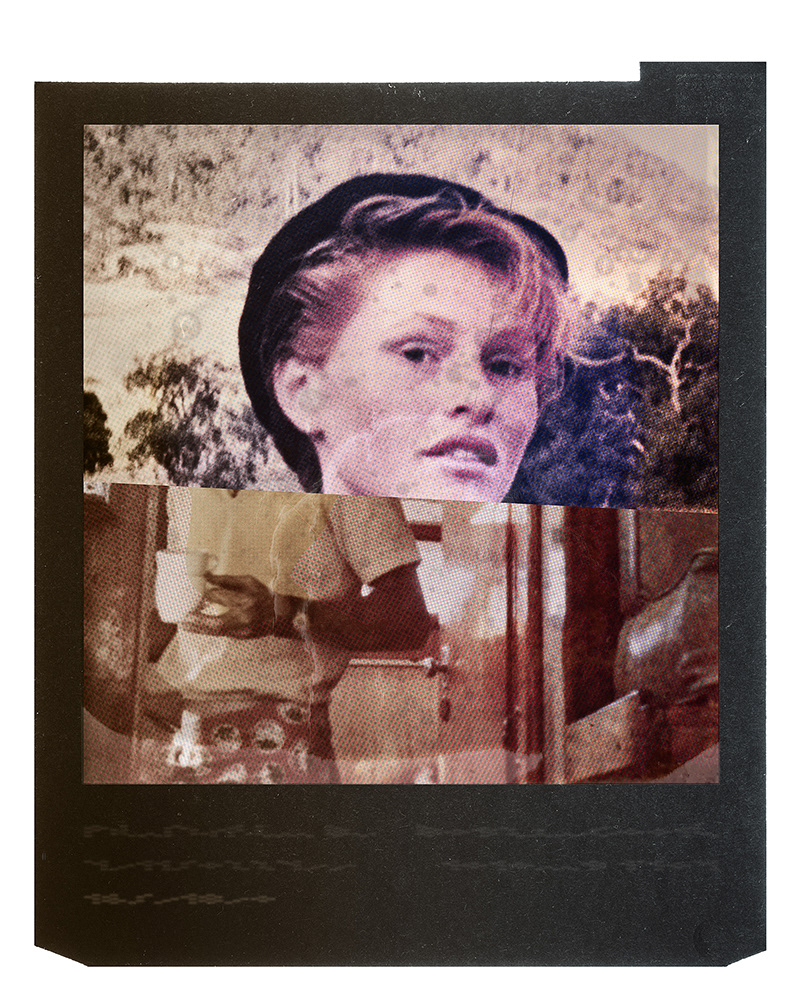
A digital misfire collapsed two people into one impossible frame. Its encoding belongs to neither; it is entirely drawn from a third source. Crossed pathways produce something with no single origin, just as grief has none.
The residual surfaces are what remain after the image has been lifted away, chemical traces of a moment once held, still carrying the ghost of what was.
Forgetting is not failure. It is function. Between photography's promise of permanence and memory's instability, this work traces what remains, what is lost, and what lingers, in objects, in chins, in shockingly bright swimmers, in botanical names that outlast the gardens they came from, after both the image and the moment have passed.
Individual Image Notes
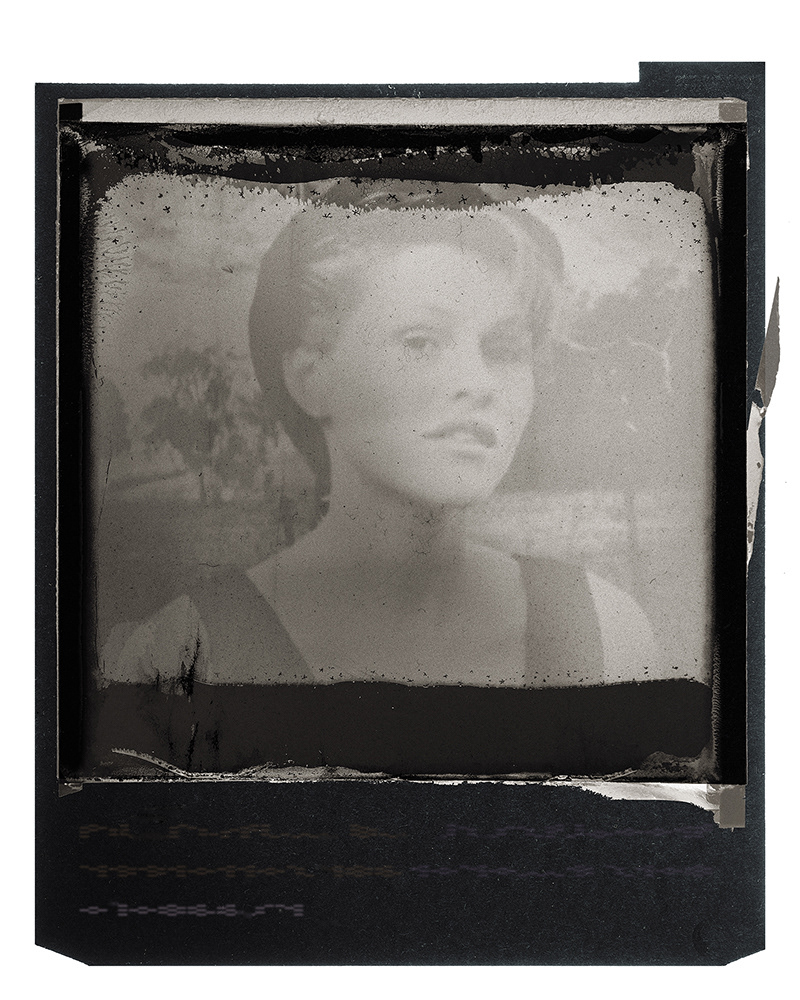
Jac
That chin. The same as my grandmother's, and equally as defiant. I think it is that defiant streak that anchors what remains of her in my mind.
I know the trees in the background. I remember other images from this day. But this image has no home left in my memories. Only her chin remains.
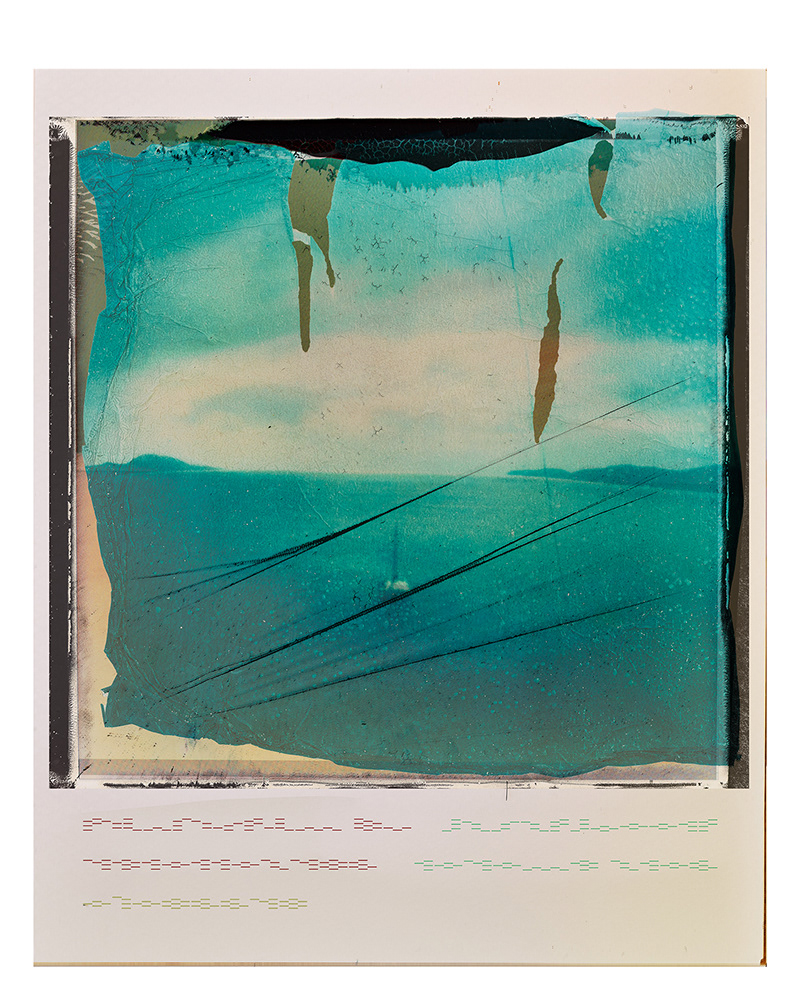
Opportunity Lost
Something about this sight struck me as prophetic. It felt like the beginning of a solo journey. It turned out to be the last time my sister and I had lunch together. It is a haunting reminder to be more present with people, not my camera.
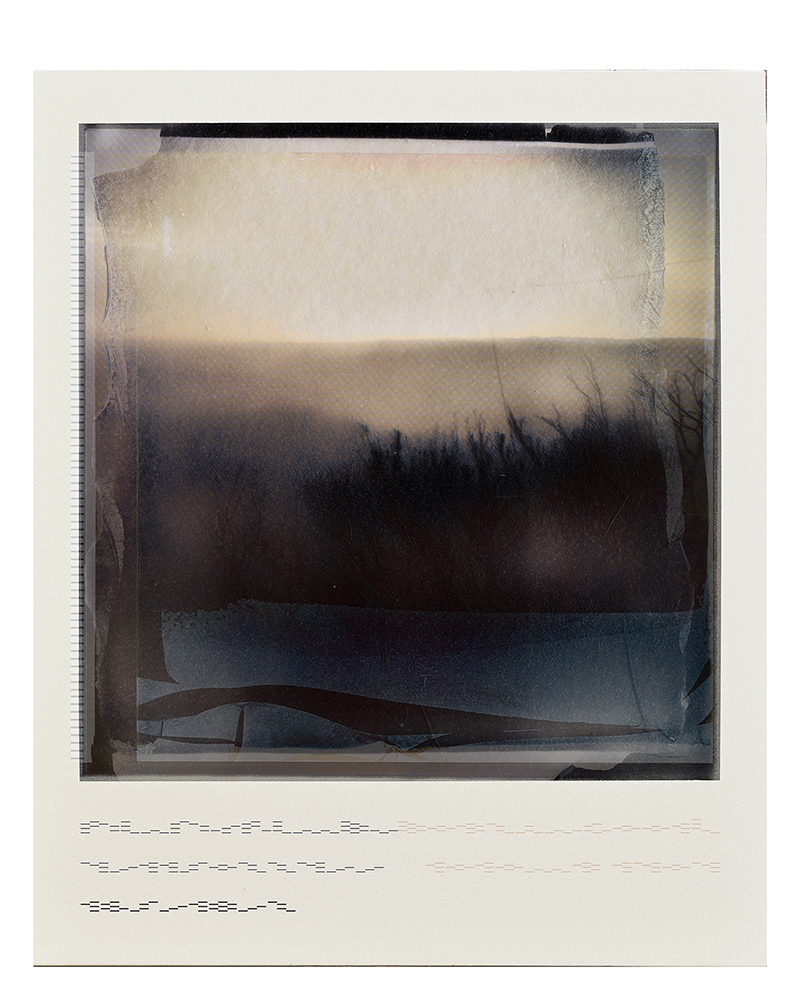
Smoke & Ash
We aren't strangers to fire in this land. The native flora has adapted to use smoke as a trigger for germination, and I am drawn to photograph its aftermath. It is a reminder of fragility. Of being bundled into the Datsun ute with presents and pets on Christmas Eve as evacuations began. Of convoys of rural fire trucks passing the front gate. Of Dad and his brigade missing for days as a fire flashed through. I don't remember being told he'd been found alive or opening presents. I remember that fire was the catalyst.
Historic Pride
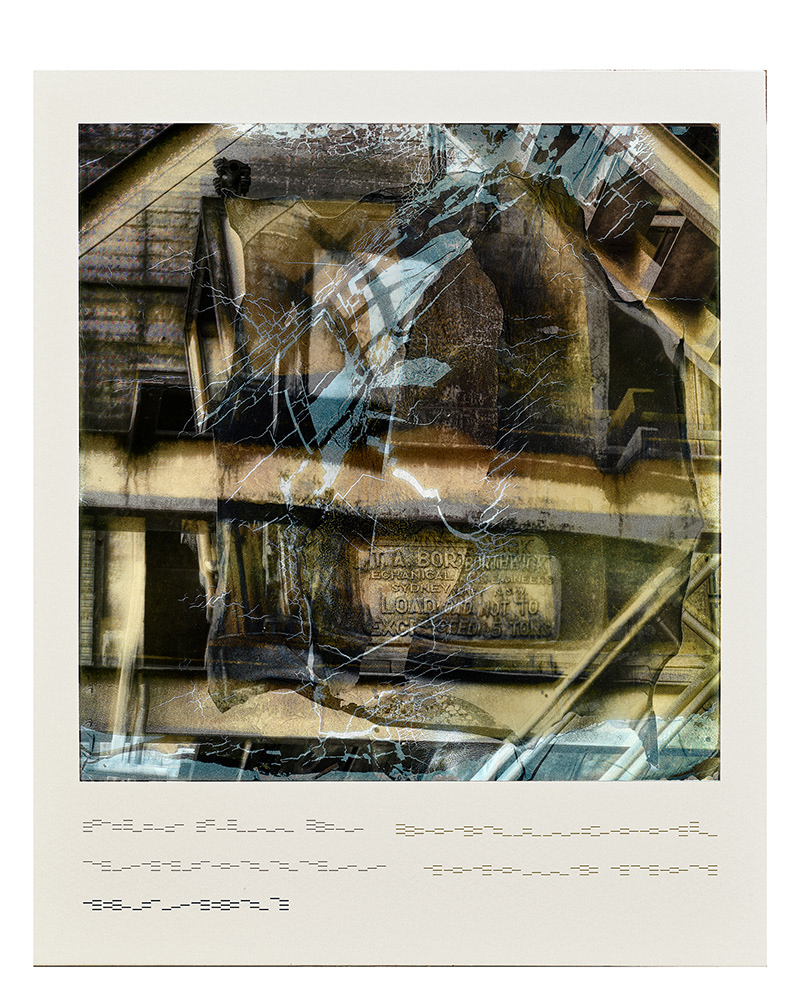
For years, Dad worked the Dog Watch shift in the coal mines — 11 pm to 7 am — which meant a lot of outdoor play while he slept. It was just how life was.
So it surprised me, years later, to discover how attached I'd become to the old White Bay Power Station. It was more than knowing Dad had mined coal for it. It was the landmark I used to gauge how close to the city I was. A symbol of how cities rewrite their working-class histories through neglect and decay.
I know Dad would have loved that the community fought for its preservation.
My Medicine Bottle
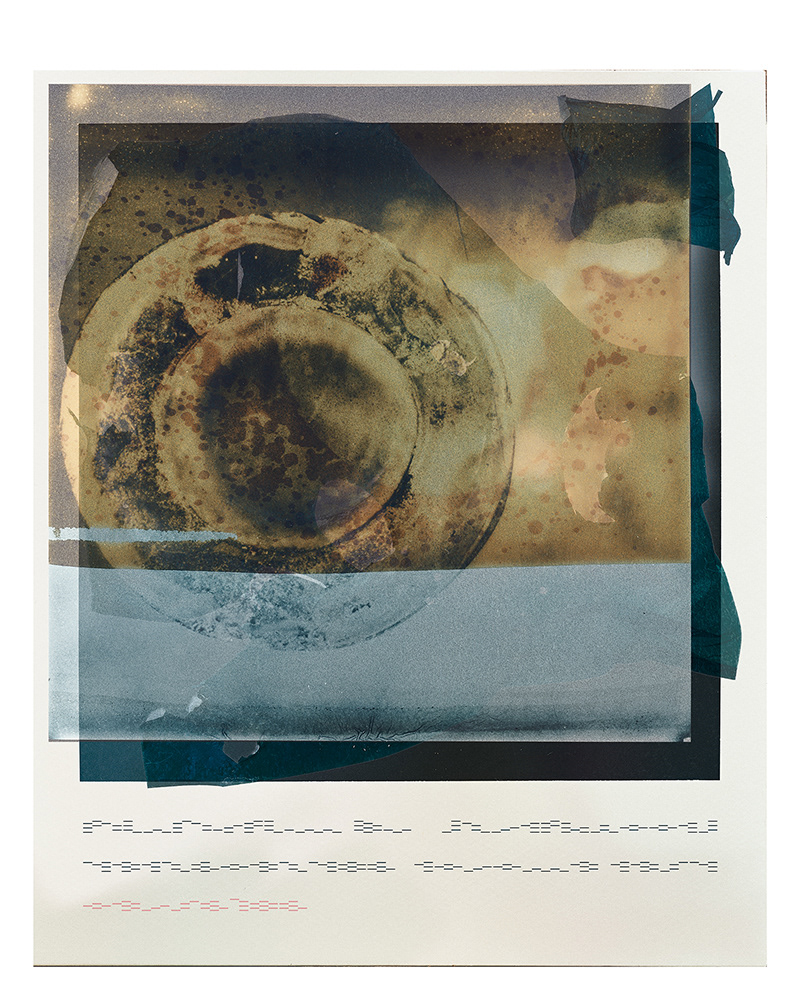
My Dad was never openly affectionate. His love language was in the small daily deeds, and it took me years to understand. That's why this old medicine bottle means so much. I don't remember when he gave it to me. But I see it every day, and I remember his actions — even as I struggle to remember much else about him.
Reunited
A digital glitch while exporting files merged my father and sister into a single impossible image — two people who would each become Polaroid remnants.
I didn't create this. The apparatus did. But it mapped something true about how memories of those we love collapse into each other, blurring the edges of who said what, who was there, who we are still reaching for.
Dad's Orange Swimmers
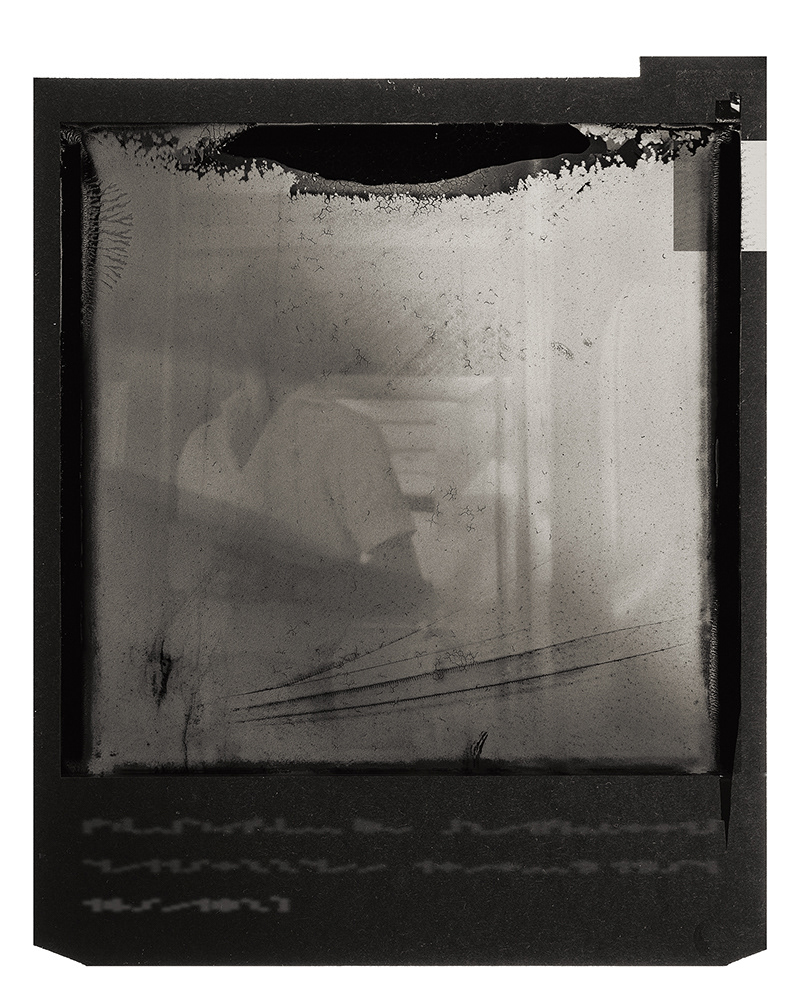
I had to ask my Mum about this image. I have no memory of it at all. She said it was on a houseboat, and when she told me, I registered only a vague notion of that holiday. Nothing more. What I do remember are the shockingly bright shorts. Somehow, those stayed. Sadly, I have no memory of Dad looking so young — only recollections of him withered and old.
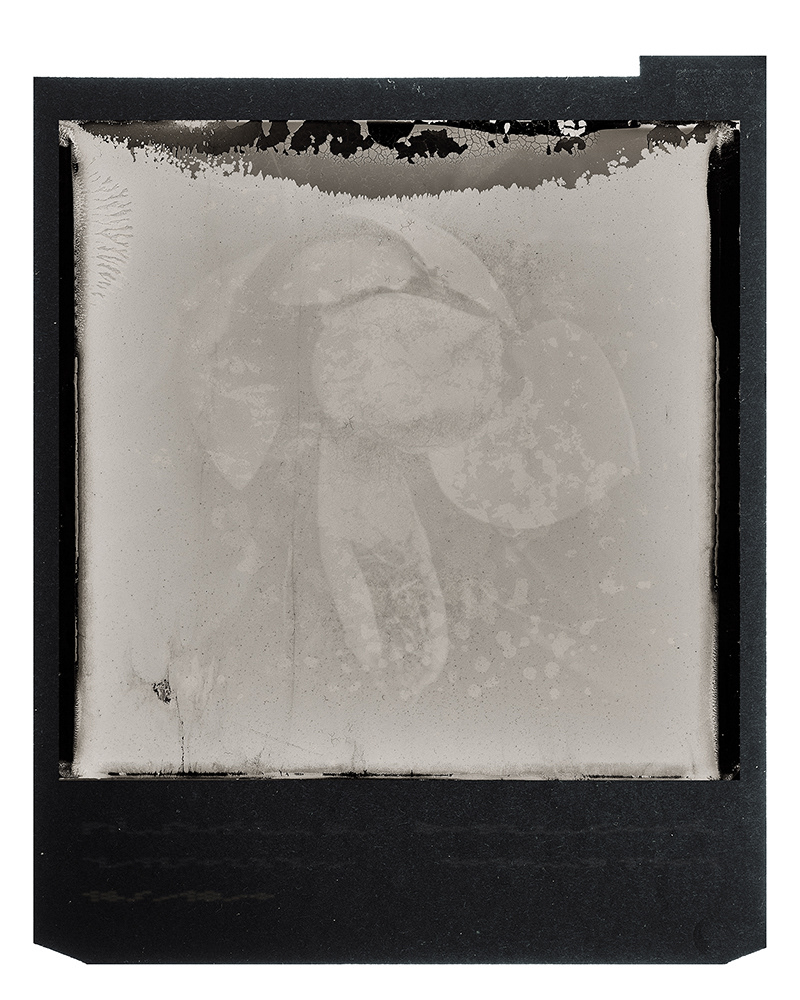
Magnolia grandiflora
I know a lot of plants by their botanical names. Not because I garden, but because three generations of women in my family used them while I helped in the garden. Some plants — Magnolia grandiflora — I cannot pass without the name arriving unbidden, even though most of the memories of actually being there are gone. Only the name survives. The rest has dissolved.
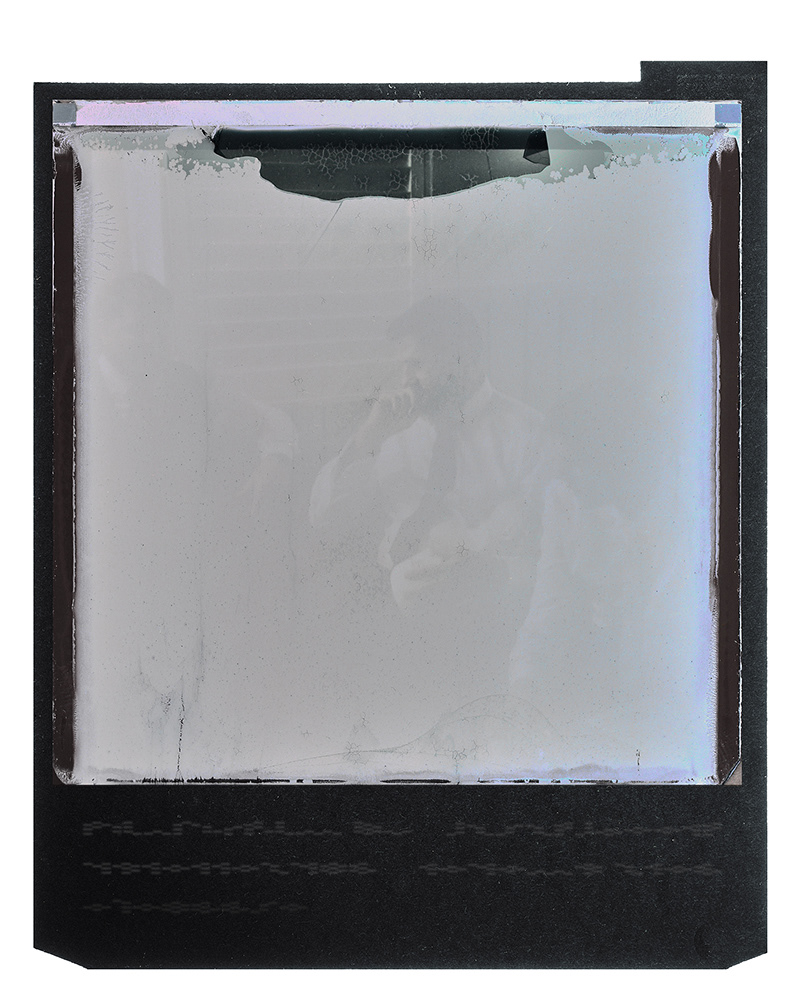
Wrong Wedding
I took this image, and until recently believed it was from my nephew's wedding. It was my niece's wedding. Either I wasn't emotionally invested enough to remember, or my neurons needed space for other things. The only proof this happened is the photograph. My memory — like the encoding — is fuzzy. It goes places, but not always correctly.