The Built Environment as Argument
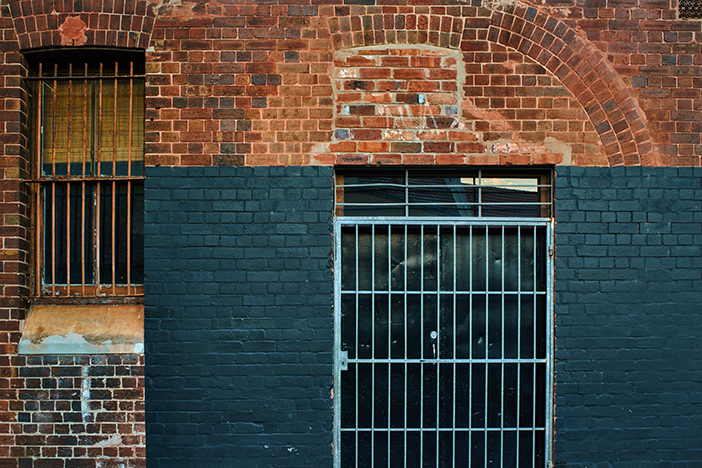
We did not mean to say this. And yet here it is — in brick and render, in the repeat of a window, in the particular way a wall meets the ground and decides not to apologise for it.
The built environment does not speak. It argues. Quietly, persistently, in the language of structure and surface, of what was put here and what was torn down, of what we chose to touch and what, in time, we learned to pass without noticing. These are not passive spaces. They are positions. Every facade is a decision. Every threshold is a negotiation between the world outside and the life within — between permission and refusal, between the public claim a building makes and the private adjustments its occupants make in return.
The works gathered here look at buildings that were made to contain rather than declare. At surfaces that carry, in their texture and their weathering, the memory of contact — and its withdrawal. At the structures that survived when others did not, and at what their survival means for everything that is no longer standing beside them.
Together they ask a question that architecture has always asked and rarely answered directly: what does it mean to build something meant to last, in a world that is always, quietly, in the process of forgetting?
The argument is not in the buildings. The argument is in what we have done with them. What we have left on them. What we have stopped leaving. What we pass every morning on the way to somewhere else, and do not see, because we have decided — without deciding — that there is nothing there worth stopping for.
These photographs disagree.
-----------
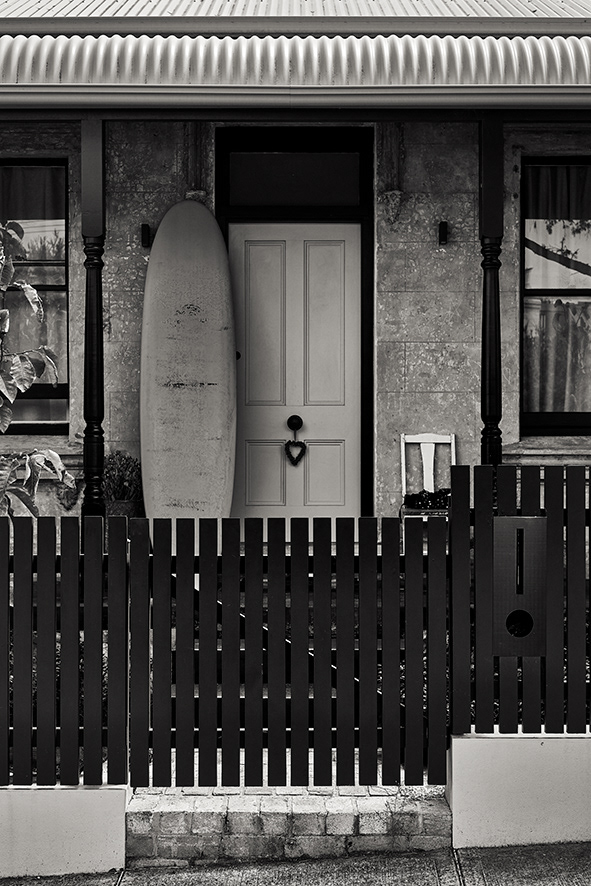
Thresholds, Restraint and Ordinary Hope:
These buildings were not made to astonish.
They were made to hold.
A post-war study of Australian vernacular architecture
and the quiet ways private life persists within it.
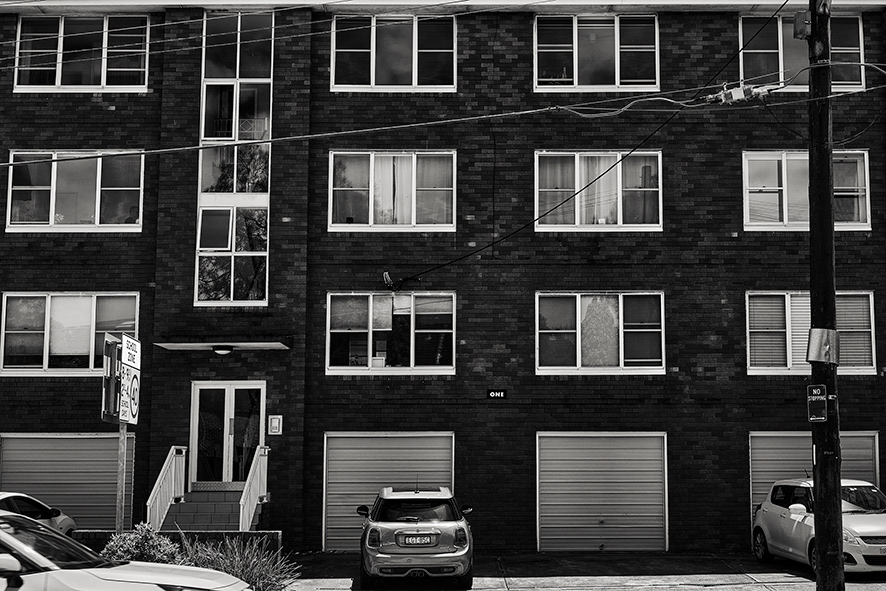
SURFACE... IN PROGRESS
Look But Don't Touch:
A post-COVID reflection
using the
Architectural Landscape.
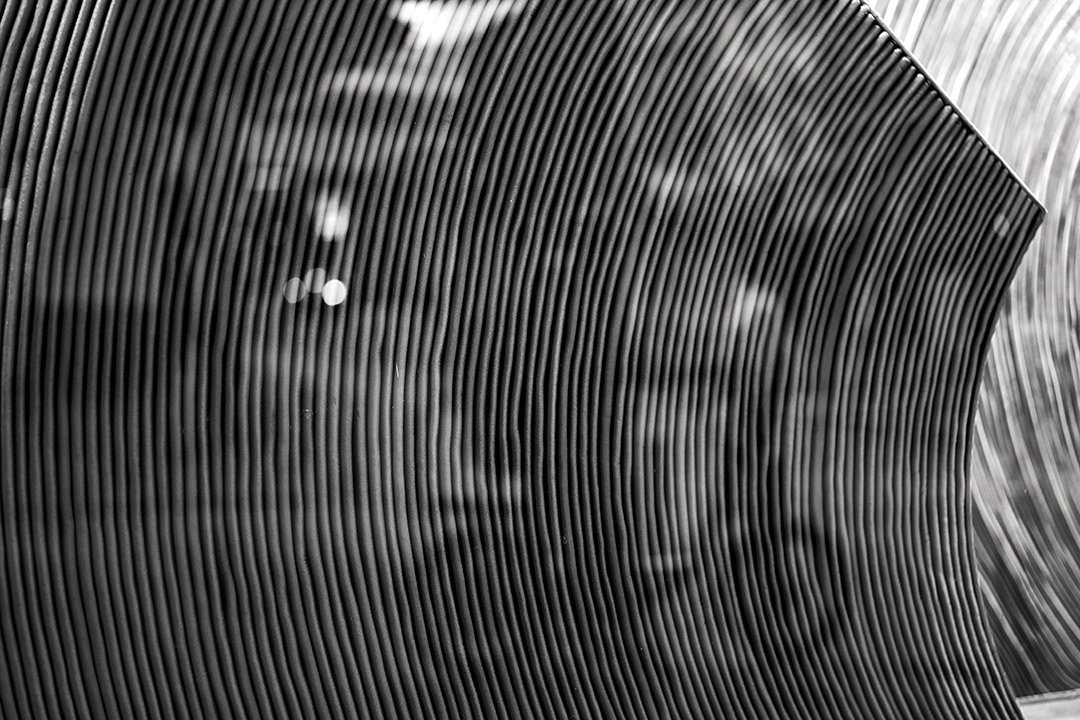
Survivorship Bias in the Built Environment: Overwriting the Old with the New... IN PROGRESS
The urban environment is a palimpsest.
A layered, ever-changing text where the old is overwritten by the new, yet traces of the past remain. Architecture and infrastructure embody this process, as specific structures are preserved, renovated, or celebrated, while others are demolished, abandoned, or erased.